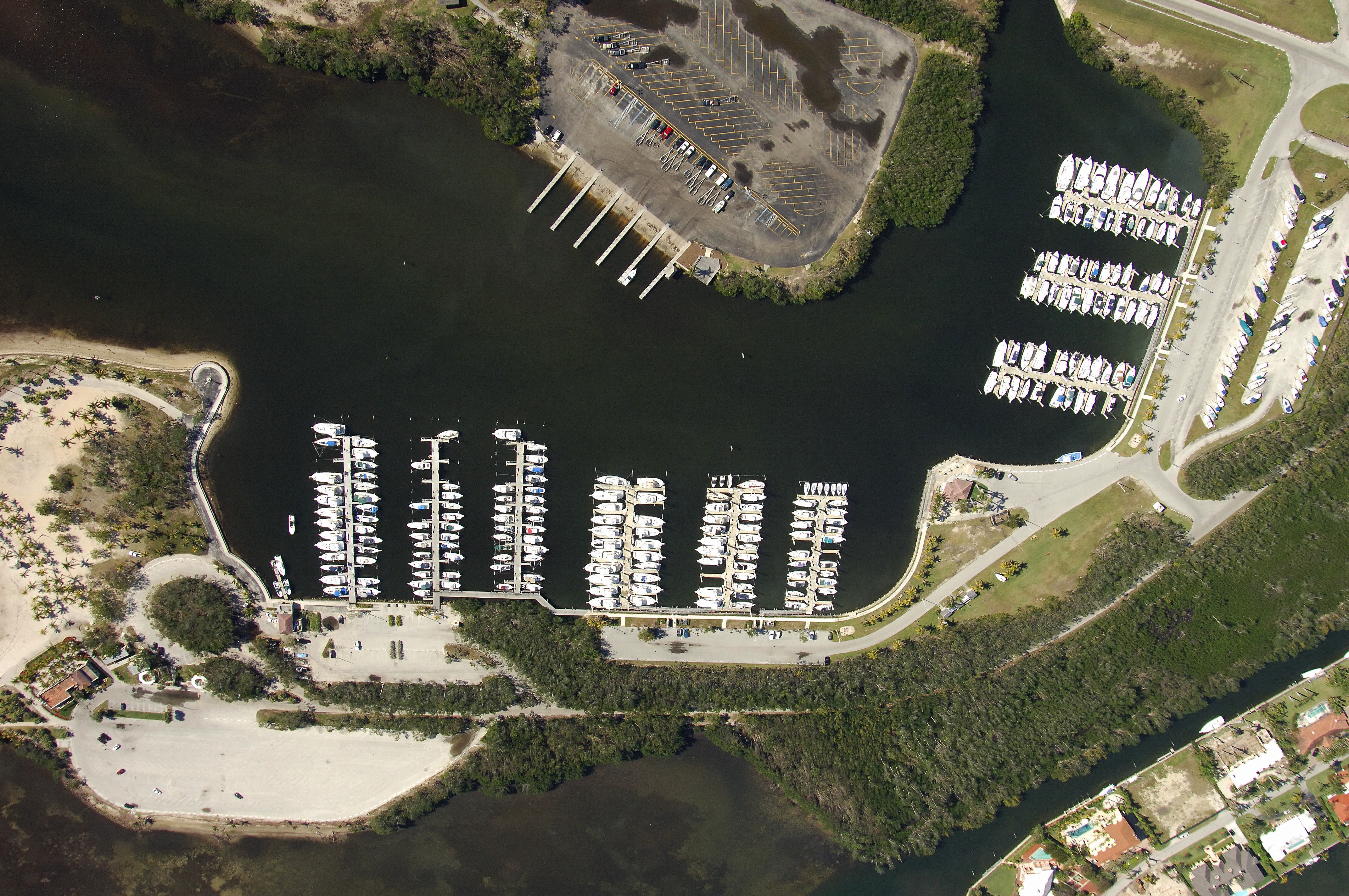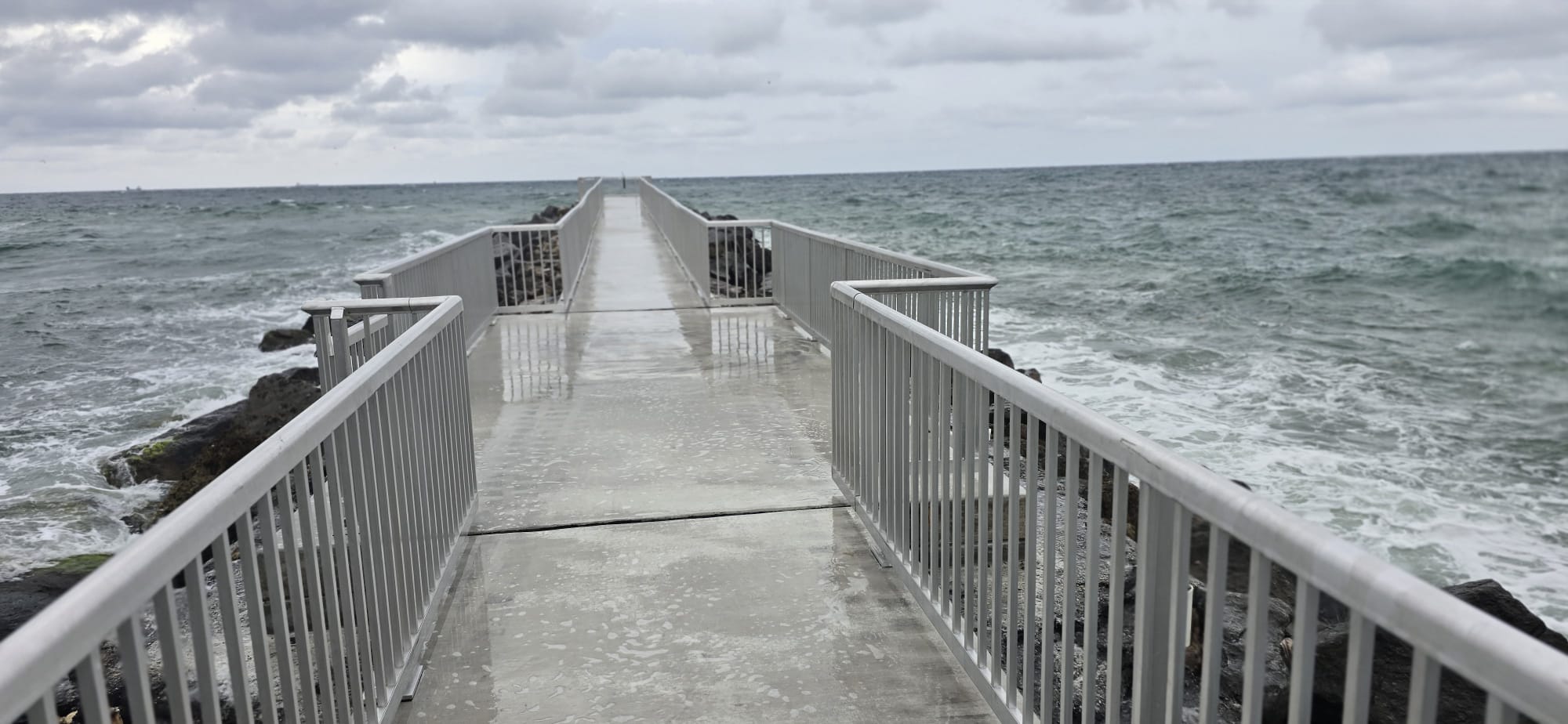
At Dr. Von D. Mizell‑Eula Johnson State Park in Hollywood, Florida, a coastal‑edge improvement project on the park’s jetty became a textbook example of how thoughtful material selection can deliver major cost savings without sacrificing safety or aesthetics.
The original plans called for a very expensive multi‑line stainless‑steel railing system, estimated at approximately 2,000 linear feet (LF) along the jetty. Working with the Florida Department of Environmental Protection (FDEP) as owner, Giralt Enterprises, Inc. proposed an alternate aluminum mechanical‑picket rail solution using its proprietary aluminum railing system, achieving a very substantial reduction in the project’s total price.
The alternative was not only approved by FDEP but also fabricated and installed in 2025, demonstrating that engineered aluminum railings can meet the demanding requirements of coastal state‑park infrastructure while costing less than half the originally estimated stainless‑steel solution.
Why Aluminum Instead of Stainless Steel? Stainless‑steel railings are commonly specified along coastal walkways and jetties for their corrosion resistance and clean appearance, but they often come with high material and fabrication costs, especially when multiple lines of rail are required.
By contrast, aluminum mechanical‑picket rail systems—such as the type supplied by Giralt Enterprises—offer several advantages on projects like the Mizell‑Eula Johnson jetty:
- Lower installed cost, including material, fabrication, and field‑install labor, which helped cut the final price to less than half of the stainless‑steel estimate.
- Lightweight and corrosion‑resistant, ideal for salt‑air environments and walkways exposed to waves, spray, and high foot traffic.
- Aesthetic flexibility, with options for picket spacing, infill patterns, and powder‑coated finishes that blend with park environments while still meeting code‑required safety standards.
Because the jetty railing is part of a public state‑park facility, any alternate had to meet FDEP’s structural, safety, and durability standards. The fact that the aluminum mechanical‑picket rail was approved, fabricated, and installed in 2025 underscores that aluminum can perform as a high‑quality, code‑compliant alternative to stainless steel in coastal‑park applications.
Giralt Enterprises’ Role on the Jetty Project:\
Giralt Enterprises, Inc. has long served as a manufacturer representative and distributor of civil‑engineering construction products, specializing in handrails, marine structures, and coastal‑zone infrastructure across Florida. Their experience with aluminum‑based railing systems positioned them to propose a proprietary aluminum mechanical‑picket rail that met FDEP’s technical and budgetary goals on the Mizell‑Eula Johnson jetty.
Key contributions included:
- Providing a competitive alternate quote on the 2,000‑LF aluminum rail line, with a significant savings compared with the multi‑line stainless‑steel design.
- Delivering a fabricated, code‑compliant system that aligned with FDEP’s coastal‑construction standards and the park’s aesthetic and safety requirements.
- Supporting installation and coordination on an active state‑park jetty, where access, staging, and environmental constraints were tightly managed.
Conclusion: A Model for Coastal‑Park Value Engineering The Mizell‑Eula Johnson Park jetty railing project in Hollywood, FL, demonstrates how value engineering with aluminum railings can transform a high‑cost stainless‑steel scope into a cost‑effective, code‑compliant coastal solution.
By supplying a proprietary aluminum mechanical‑picket rail system that met FDEP’s requirements, Giralt Enterprises helped ensure that this 2,000‑LF jetty handrail was installed in 2025 at a final price less than half the original estimate, while still enhancing safety and aesthetics for visitors to Dr. Von D. Mizell‑Eula Johnson State Park. This project stands as a strong reference for future coastal walkways, jetties, and park‑edge railings where durability, budget, and public‑safety all matter.